
Hail Damage Roof Repair in McKinney, Frisco, Fort Worth, and Keller
Inspecting McKinney hail damage
McKinney hail damage can affect shingles and soft metals differently across each roof slope. However, hail in the neighborhood does not automatically mean every roof needs replacement.
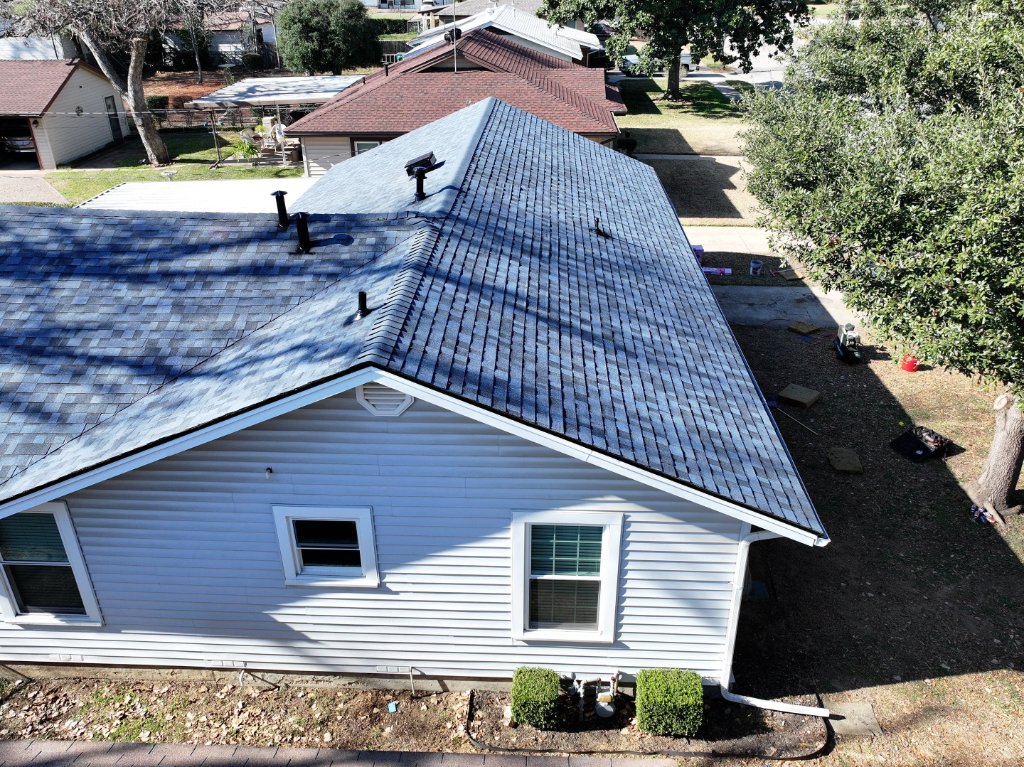
Confirm storm information with the National Weather Service. Then request a free roof inspection or call Becker Roofing & Exteriors at 817-898-7175.
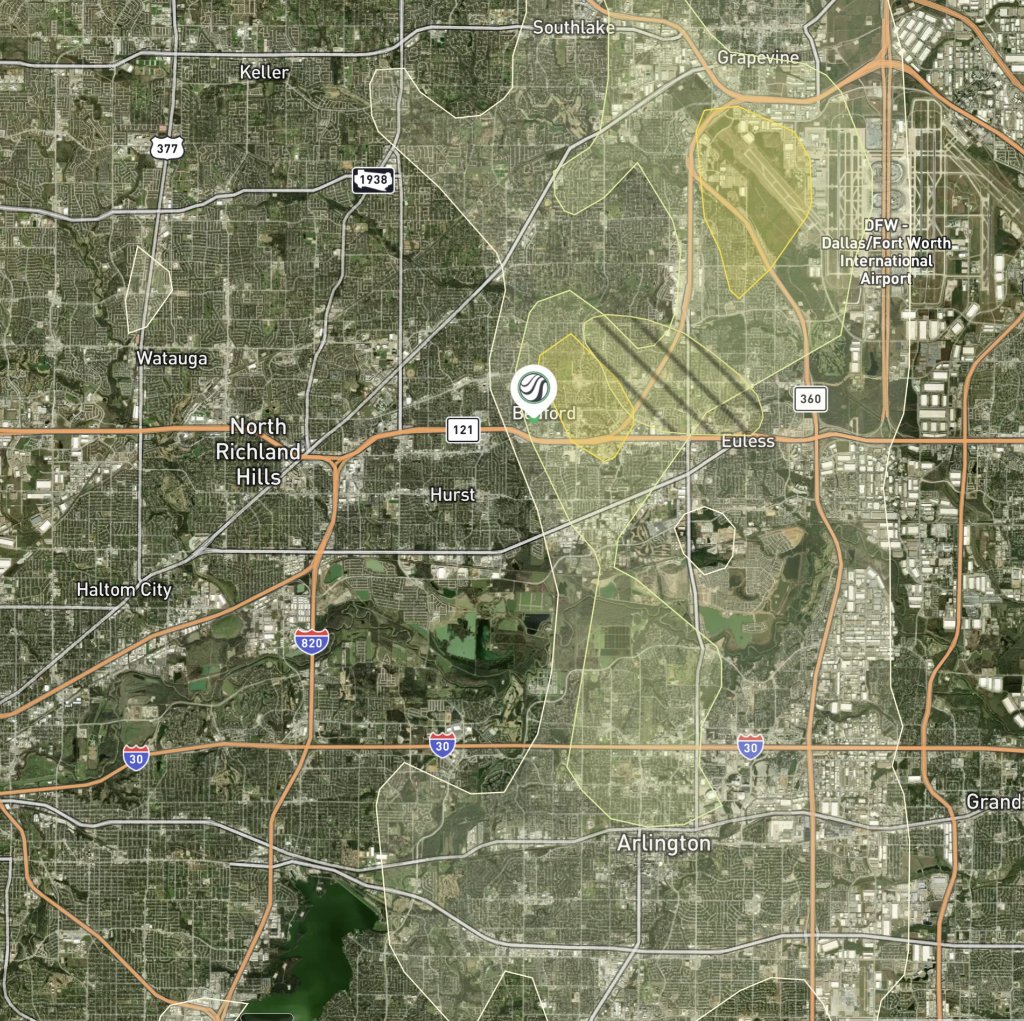
Hail collected after a recent North Texas storm ? the kind of event that regularly bruises Collin County roofs.
Table of Contents
- Did Your McKinney Roof Just Take a Hail Hit?
- How Hail Size Maps to Roof Damage
- Step 1: Document Everything From the Ground
- Step 2: Get a Free Professional Inspection
- Step 3: Understand What Hail Actually Does to a Roof
- Step 4: Start Your Insurance Claim the Right Way
- Step 5: Choose Repair vs. Full Replacement
- McKinney Neighborhoods and Roof Age
- The 48-Hour Timeline After a Hailstorm
- Why McKinney Homeowners Choose Becker for Hail Repairs
- Frequently Asked Questions
If hail just hit your neighborhood, the next 48 hours matter more than you’d think. McKinney sits in the heart of Collin County’s “Hail Alley,” one of the most hail-prone corridors in the country ? North Texas sees several significant hail events every year, and 2026 already brought a punishing six-day severe weather outbreak from April 24-29 that dropped hail up to softball size across Collin, Dallas, Tarrant, and Denton counties (NWS Fort Worth April 2026 severe weather summary). Here’s exactly what to do, in order, if you suspect hail damage roof repair is in your near future.
Did Your McKinney Roof Just Take a Hail Hit?
You don’t need to climb a ladder to get your first read on the situation. From the ground, check for:
- Granules in your gutters or downspout splash zones ? these look like coarse black sand and are one of the clearest signs of shingle bruising.
- Dents in soft metal ? AC unit fins, gutters, window wraps, and mailboxes all dent before shingles visibly show damage.
- Damaged window screens or siding ? tears or dings on the side of the house that faced the storm.
- Visible shingle damage ? cracked, curled, or missing shingles, or dark “bruised” spots where granules have been knocked loose.
If you see even one or two of these signs, treat it as a strong signal your roof needs a closer look ? hail damage is often invisible from the ground but very real underneath the shingle surface. Our guide on how to spot hail damage on your roof walks through it in more detail.
How Hail Size Maps to Roof Damage
Not all hail is created equal, and knowing roughly what fell on your neighborhood helps you gauge how worried to be. Adjusters and roofers both use everyday objects to describe hail size, and each size tends to do a predictable kind of damage:
- Pea to marble (roughly ?”??”): Usually cosmetic on newer roofs, but it can still knock granules loose on older or already-worn shingles. Worth an inspection if your roof is 12+ years old.
- Dime to quarter (?”?1″): The threshold where functional damage becomes common. Quarter-size hail is the size most insurers treat as capable of causing legitimate shingle damage, and it dents soft metals reliably.
- Half-dollar to golf ball (1?”?1?”): Widespread bruising, granule loss, and cracked shingles across exposed slopes. Flashing, vents, and gutters commonly take damage at this size.
- Hen egg to tennis ball (2″?2?”): Serious impact damage, including punctures, split shingles, and damaged decking. Roofs in this band frequently qualify for full replacement.
- Baseball and larger (2?”+): Severe, often obvious damage ? the April 24-29, 2026 outbreak produced hail up to softball size across parts of North Texas (NWS Fort Worth).
The catch: hail rarely falls uniformly. One side of a McKinney street can get golf-ball hail while the next block gets marbles. That’s why a ground-level guess is never a substitute for an actual roof inspection ? the only way to know what your roof took is to look at it directly.
Step 1: Document Everything From the Ground
Before you call anyone, walk around your home and take timestamped photos of:
- The roofline from multiple angles (front, back, both sides)
- Gutters and downspouts, especially any granule buildup
- AC units, mailboxes, and any other exposed metal
- Window screens, siding, and fences
This costs nothing, takes 10 minutes, and gives you (and your contractor) a “before” record that strengthens any insurance claim later. It’s the same first step we recommend to homeowners dealing with hail damage in nearby Plano and Frisco.
Step 2: Get a Free Professional Inspection
This is the step homeowners skip most often ? and it’s the one that matters most. A professional roof inspection after hail should include:
- A full roof walk (not just a binocular look from the ground)
- Photo documentation of every damaged shingle, vent, flashing point, and pipe boot
- A written report you can hand directly to your insurance company
Becker Roofing and Exteriors provides free hail damage inspections across McKinney and Collin County, with photo-backed reports built for insurance adjusters. Schedule your free inspection ?
Step 3: Understand What Hail Actually Does to a Roof
Hail damage isn’t always a hole punched through your roof. More often, it’s:
- Granule loss ? the protective ceramic granules on asphalt shingles get knocked loose, exposing the asphalt mat underneath to UV damage.
- Bruising ? soft, indented spots where the shingle’s structure is compromised but not visibly cracked. These can leak months or years later.
- Cracking and splitting ? especially on older or already-brittle shingles common in established McKinney neighborhoods.
- Flashing and vent damage ? hail dents and damages metal flashing around chimneys, vents, and skylights, which is often where leaks actually start.
If your current roof is older asphalt, it’s also worth a conversation about Owens Corning Duration Storm or Duration FLEX shingles ? Class 4 impact-resistant shingles that hold up significantly better against hail and often qualify for insurance premium discounts in Texas. See our guide to choosing the best hail-resistant shingles in Texas and our broader metal vs. asphalt shingle comparison.
Step 4: Start Your Insurance Claim the Right Way
- File promptly. Texas generally allows up to two years from the date of loss to file a property insurance claim, but earlier filing with strong documentation leads to smoother claims.
- Request your contractor be present for the adjuster inspection. After a regional hail event, adjusters handle huge volumes of claims and routinely miss damage ? having a roofing professional on-site to point out missed items can make a real difference in your settlement.
- Understand your deductible. Many Texas policies carry a percentage-based wind/hail deductible (often 1-2% of your dwelling coverage) rather than a flat dollar amount. Read our guide on percentage deductibles and whether filing makes sense ?
- Know your adjuster type. Whether you’re working with a staff adjuster, independent adjuster, or public adjuster changes how the process plays out. See our breakdown of adjuster types in Texas ? And if you’ve already been denied, read common reasons roof claims get denied in North Texas.
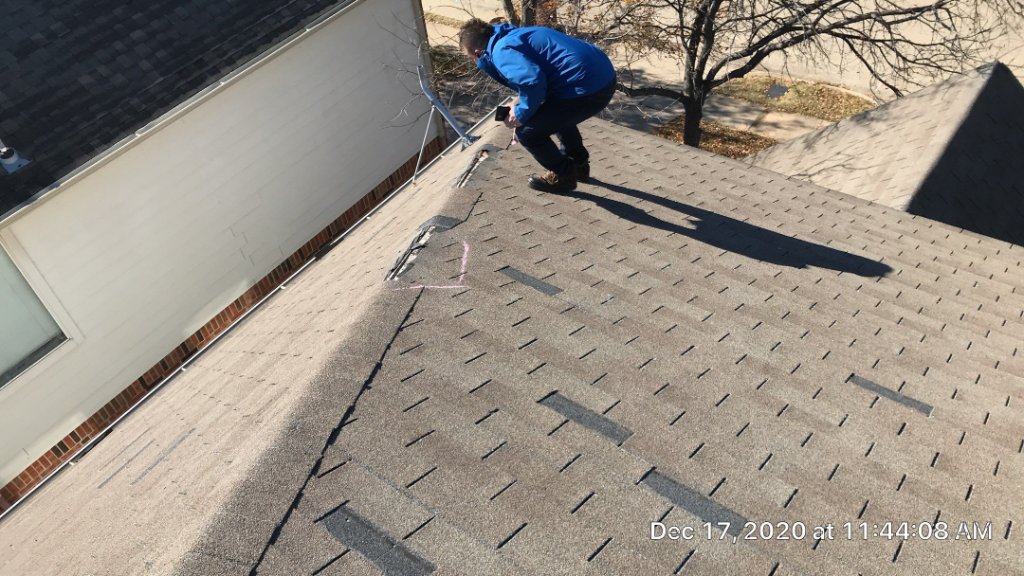
A Becker Roofing inspector walking a roof to document hail damage for an insurance-ready report.
Step 5: Choose Repair vs. Full Replacement
Not every hail event means a full roof replacement. A qualified inspection should tell you which situation you’re in:
- Repair makes sense when damage is isolated to a small section, flashing, or a handful of shingles, and the rest of the roof is in good condition.
- Full replacement makes sense when granule loss and bruising are widespread across most slopes, your roof is already near the end of its lifespan (15+ years for most asphalt shingles), or your insurer’s scope already calls for full replacement due to “matching” requirements on a uniform roof.
Either way, get the decision in writing with a clear scope ? vague estimates are where disputes start. If you’re weighing costs, our roof repair cost guidance and signs you need a new roof both help.
McKinney Neighborhoods and Roof Age
Where you live in McKinney has a lot to do with how your roof responds to hail. Collin County’s explosive growth means the housing stock spans more than a century of construction, and roof age is the single biggest predictor of how badly a given storm hurts:
- Historic Downtown McKinney and the older east-side neighborhoods often have roofs that have already weathered many hail seasons. Even moderate hail can push an older, brittle shingle past the point of repair.
- Stonebridge Ranch, Craig Ranch, and Tucker Hill are dominated by homes built in the last two to three decades, many now hitting the 15-20 year mark where a “one more season” roof suddenly isn’t. These larger homes also tend to have steep, cut-up rooflines with lots of valleys ? prime places for hail and wind to concentrate.
- Newer far-north and west McKinney builds have younger roofs, but builder-grade shingles are common, and builder-grade doesn’t mean impact-resistant. A newer roof can still sustain claimable hail damage.
None of this replaces an inspection, but it explains why two neighbors can experience the same storm and end up with very different outcomes. If your roof is anywhere past a decade old, treat any significant hail event as a reason to get eyes on it. And remember that hail damage compounds: a bruised shingle that isn’t addressed keeps losing granules, ages faster under the Texas sun, and eventually leaks ? usually at the worst possible time.
The 48-Hour Timeline After a Hailstorm
The homeowners who come out of a hail event in the best shape tend to follow roughly the same sequence:
- First few hours: Make sure everyone’s safe and check the attic and ceilings for any active water intrusion. Contain leaks; don’t climb on a wet roof.
- Same day: Walk the property and take timestamped photos of the roofline, gutters, soft metals, screens, and siding while the evidence is fresh.
- Within 24-48 hours: Schedule a free professional inspection. Getting on the calendar early matters, because after a regional storm, reputable local roofers book up fast.
- Before signing anything: Verify any contractor’s Texas registration and insurance, and be wary of door-knockers who showed up the same afternoon. The legitimate path is an inspection, a written report, and an unhurried decision.
Moving quickly protects your home and your claim; moving carefully protects you from the storm-chasers who follow every North Texas hail event.
Why McKinney Homeowners Choose Becker for Hail Repairs
- Free, photo-documented hail inspections across McKinney and Collin County
- Owens Corning Preferred Contractor ? access to Owens Corning’s Total Protection Roofing System and Class 4 impact-resistant shingle options
- 10-year workmanship warranty on repairs and replacements
- Insurance claim support, including attending adjuster inspections and helping document supplements
- One call for everything ? roofing, gutters, siding, and fencing often all take hail damage in the same storm
Call 817-898-7175 or schedule a free hail damage inspection at brexteriors.com/request-an-inspection. You can also browse our project gallery, read customer reviews, or reach us through our contact page.
Frequently Asked Questions
How do I know if my roof has hail damage?
Look for granules in your gutters, dents in soft metal (AC fins, mailboxes, gutters), and any cracked, curled, or missing shingles. Many signs of hail damage are only visible up close, which is why a free professional inspection is the most reliable first step.
Will my insurance cover hail damage roof repair in McKinney?
Most Texas homeowner’s policies cover wind and hail damage. Coverage depends on your specific policy, deductible structure, and the documented extent of damage ? a photo-backed inspection report significantly strengthens your claim, especially after a confirmed event like the April 2026 outbreak.
How soon after a hailstorm should I get my roof inspected?
As soon as possible. While Texas generally allows up to two years to file a claim, documenting damage early ? before leaks develop or granule loss worsens ? leads to a stronger, faster claim process.
Can hail damage cause a roof leak even if I don’t see a hole?
Yes. Hail bruising can compromise a shingle’s structure without creating a visible hole, and that weak spot can develop into a leak weeks or months later as the shingle continues to fail.
Does Becker Roofing and Exteriors offer free hail damage inspections in McKinney?
Yes. Becker Roofing and Exteriors provides free, photo-documented hail damage inspections throughout McKinney and Collin County. Call 817-898-7175 or schedule online at brexteriors.com/request-an-inspection.
Written by: Sean Becker, Owner, Becker Roofing and Exteriors ? Owens Corning Preferred Contractor serving McKinney and the DFW metroplex. Related reading: best roofing companies in McKinney, hail damage roof repair in Frisco, and the April 25-27 DFW hail storm recap.
Can hail damage be present without a roof leak?
Yes. Hail can bruise shingles and knock granules loose before water enters the home. Early inspection helps document storm damage while repair or claim options are still clear.
Fort Worth, Watauga, Hurst, and North Fort Worth Hail-Damage Checks
This post also supports homeowners searching for hail damage roof repair, fort worth hail damage roof repair, watauga hail damage roof repair, or hurst hail damage roof help after a fast-moving storm. Becker Roofing & Exteriors looks for bruised shingles, exposed matting, cracked vents, damaged gutters, and early leak paths that are easy to miss from the ground.
If your North Fort Worth home has older shingles and you are comparing repair options with stronger replacement materials, ask us about impact-resistant and Class 4 shingle options during your free roof inspection. Call 817-898-7175 for storm-damage documentation before the next round of rain.
Keller, Watauga, Hurst, and North Fort Worth Hail-Damage Reinforcement
Those are exactly the local storm-damage searches this article should support, because hail frequently affects several DFW neighborhoods in one event.
Becker Roofing & Exteriors inspects shingles, vents, gutters, roof accessories, siding, and attic leak clues after hail in McKinney, Frisco, Fort Worth, Keller, Watauga, Hurst, North Fort Worth, and Northeast Tarrant. Call 817-898-7175 for a free roof inspection and clear next steps.

