
Becker Roofing & Exteriors
Emergency Roof Repair and Storm Tarping
When water is entering or storm damage has left the roof exposed, you need the property protected quickly and a clear plan for permanent repair. Becker assesses accessible damage when conditions allow, documents what happened, and explains the next step without making promises about insurance coverage.

Start with evidence
Stabilize the property first, then diagnose the permanent repair
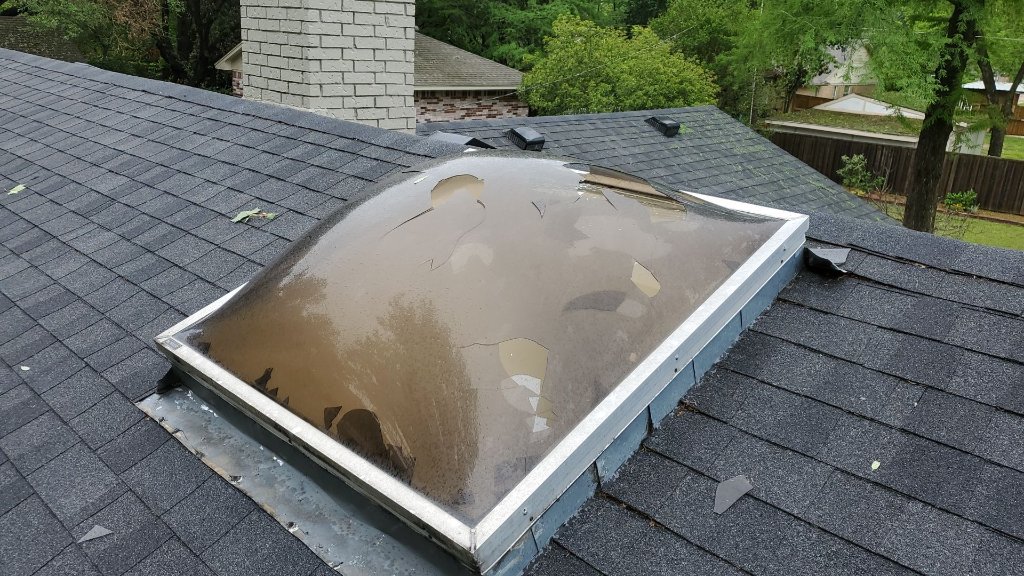
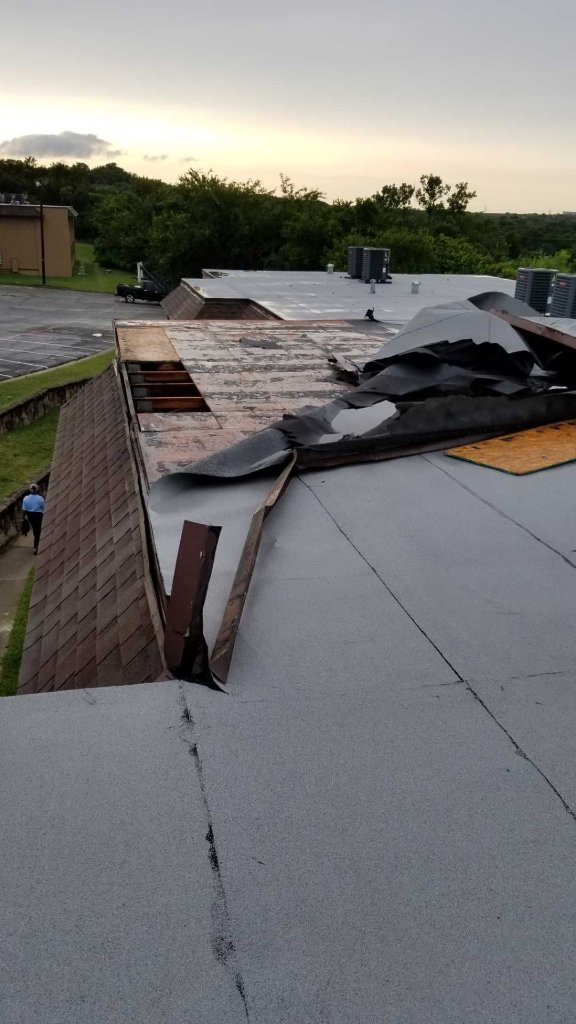
Emergency conditions can involve missing roofing, displaced flashing, punctures, fallen branches, wind-driven rain, damaged vents, or water entering around vulnerable transitions. Work must be planned around weather, roof access, electrical hazards, structural conditions, and crew safety.
- Active leak and water-entry assessment
- Emergency roof tarping when conditions allow
- Temporary covering and stabilization
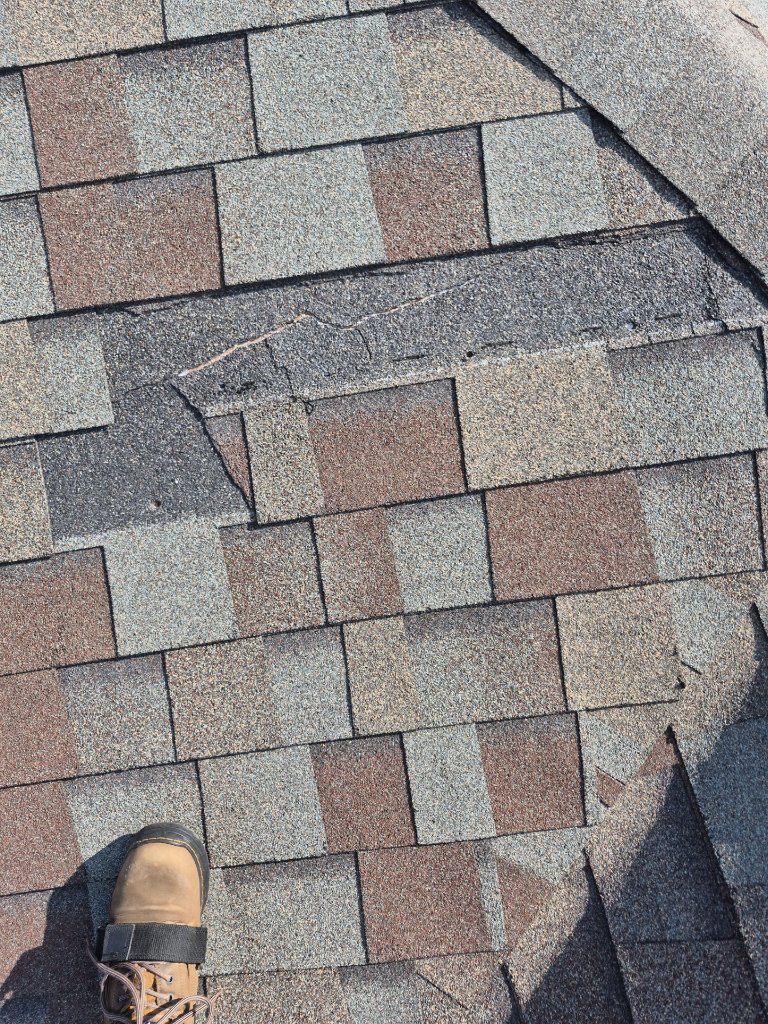
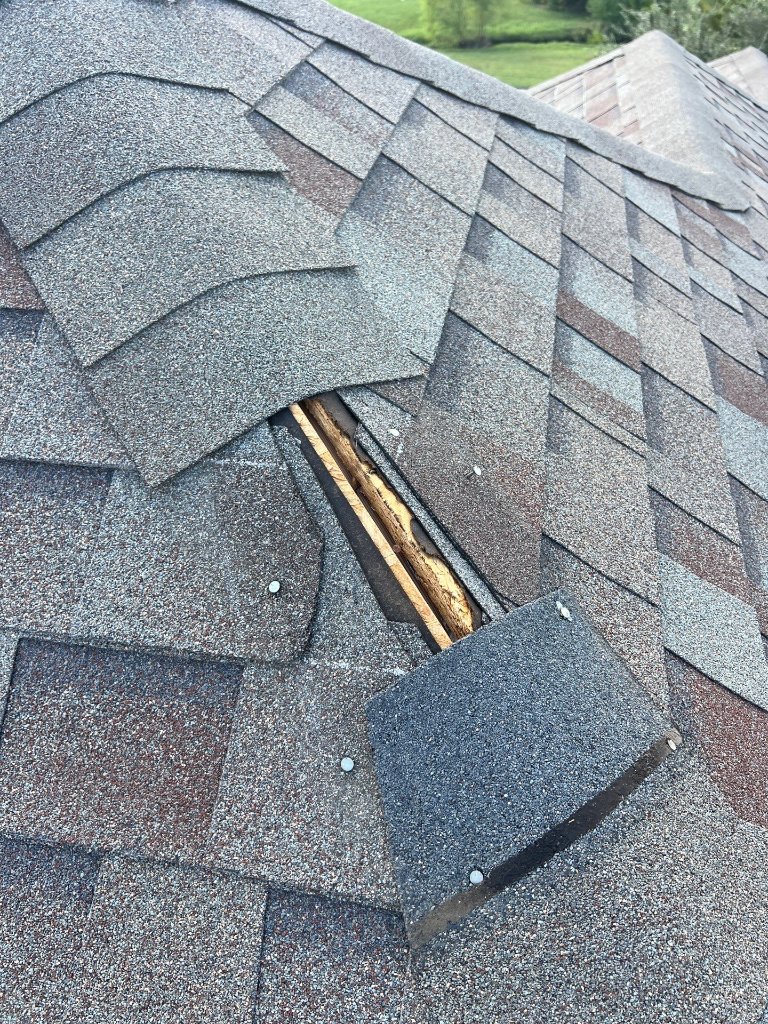
- Wind-lifted or missing shingle evaluation
- Fallen debris and puncture documentation
- Damaged vent and flashing assessment
- Photo documentation for the property owner
- Permanent repair or replacement recommendation

Conditions to watch
Roof conditions that should be treated as urgent
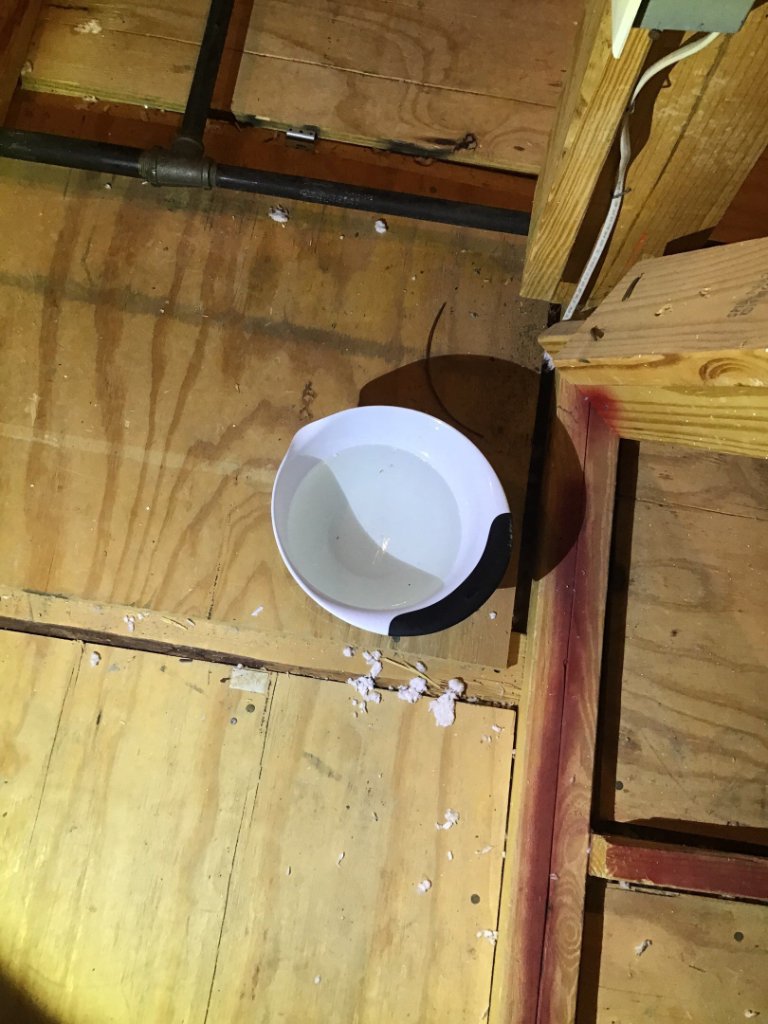
Active interior dripping
Move belongings when safe, contain water, and avoid wet electrical fixtures or sagging ceilings.
Open roof area
Missing materials, punctures, or displaced flashing can allow rapid water entry during continued rain.
Fallen tree or large debris
Do not enter or climb near suspected structural damage. Emergency services or a tree professional may be needed first.
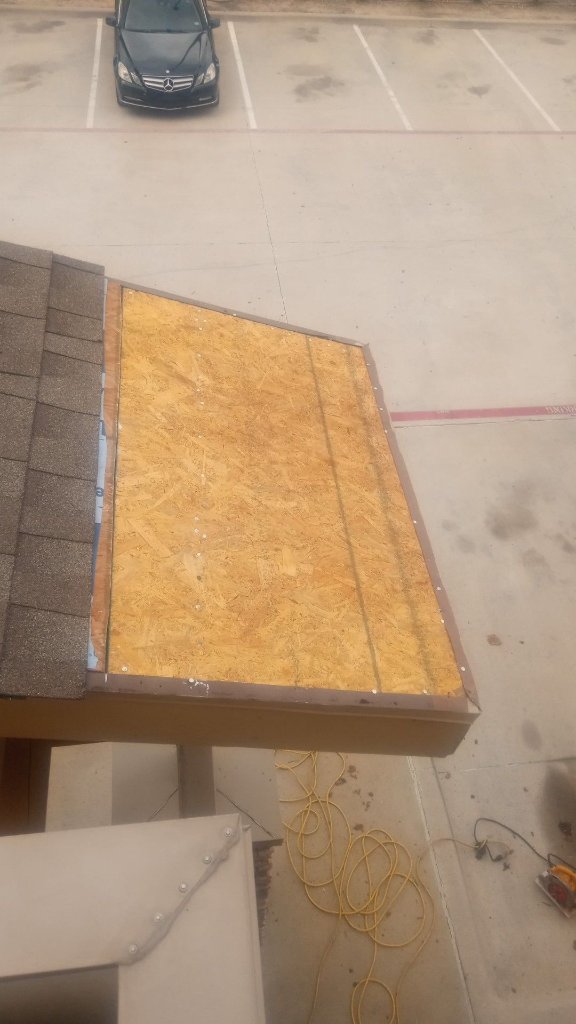
Sagging ceiling or roof deck
Stay clear of the affected area because saturated materials or structural components may fail.
Wind-lifted roofing
Loose shingles, metal, ridge materials, or accessories can create both water-entry and falling-debris hazards.
Storm damage with no leak yet
A prompt inspection can identify exposed areas before the next rain turns damage into interior loss.

A complete scope
What emergency stabilization can and cannot do
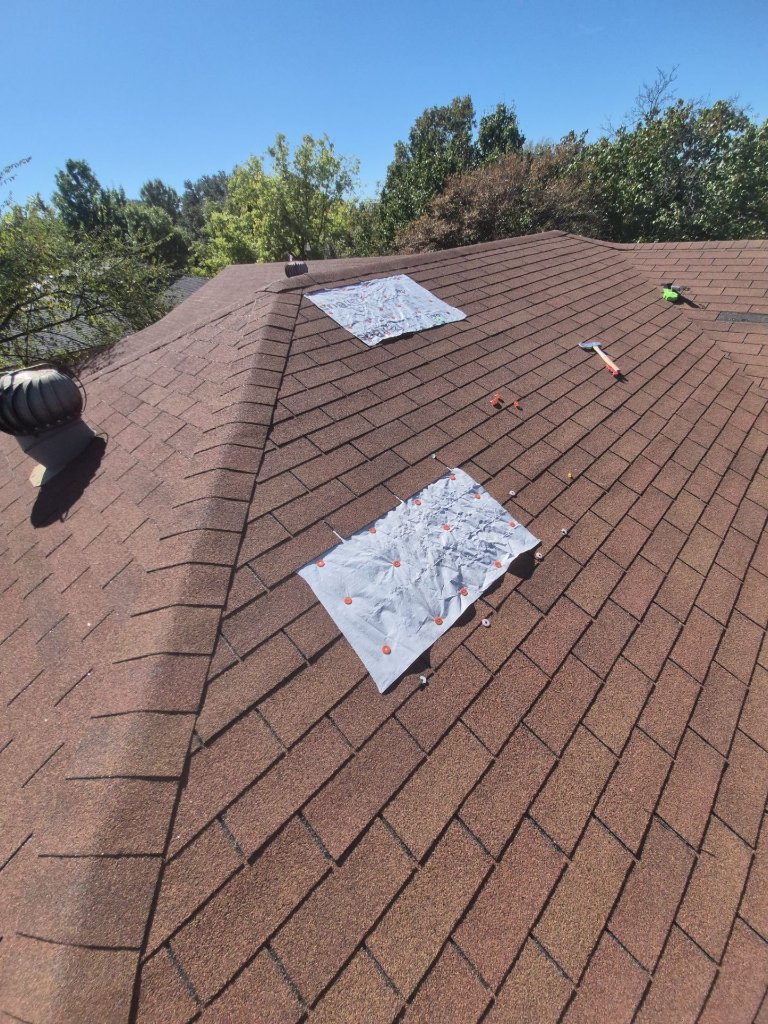
A tarp or temporary covering is intended to reduce additional water entry; it is not a permanent roof repair and may not seal every path during severe weather. The emergency scope should document access limits, affected areas, temporary materials, and the recommended permanent next step.
We document relevant conditions, explain assumptions and exclusions, and describe the work in writing so you can compare the proposal with the actual needs of the roof.
Available paths
Emergency response paths
Temporary tarp
A secured covering used when roof access and weather conditions allow safe installation.
Localized temporary repair
Short-term stabilization of a small opening, displaced component, or vulnerable detail.
Debris-related assessment
Documentation after branches or objects affect the roof, coordinated with safe debris removal when needed.
Interior water mitigation referral
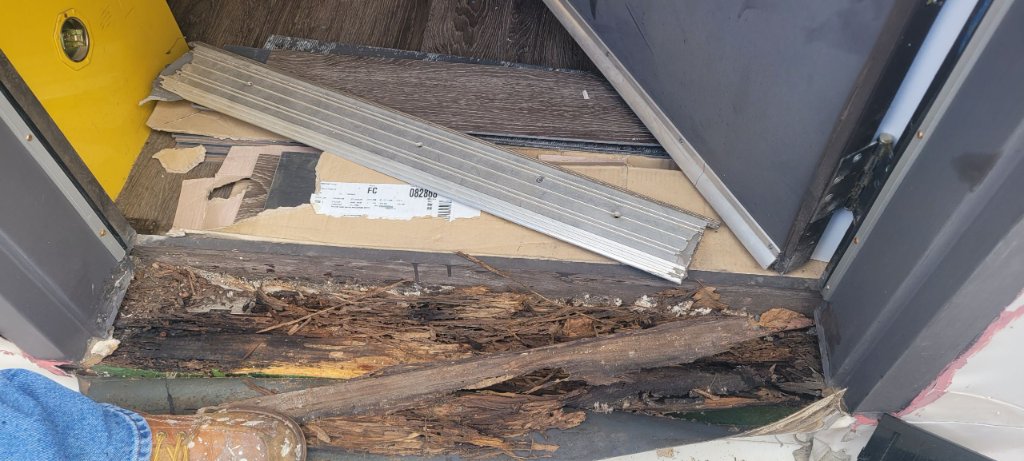
Dry-out and remediation may be needed when insulation, drywall, flooring, or contents are wet.
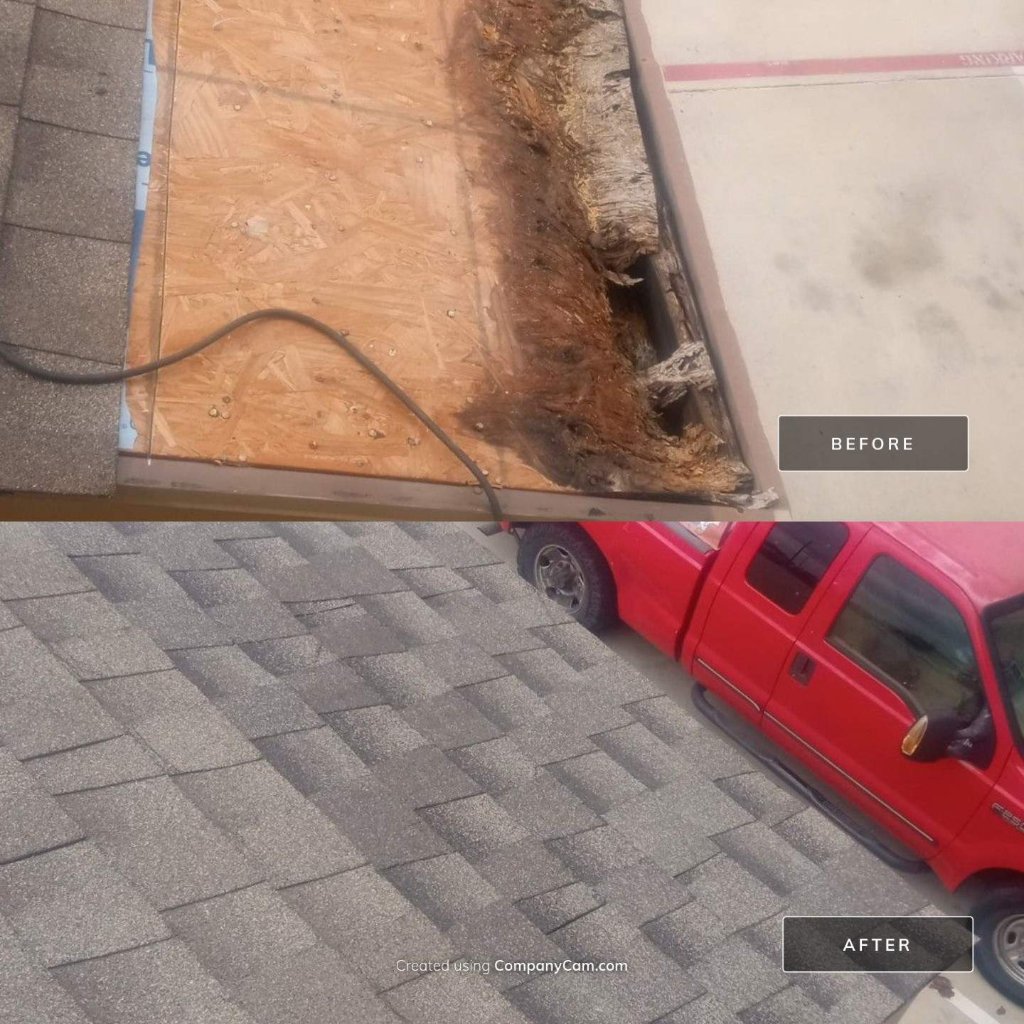
Permanent roof repair
A written repair scope after the emergency condition is stable and the source can be fully evaluated.
Replacement evaluation
A full-system comparison when damage, age, or multiple affected areas make repair impractical.
A clear emergency plan
Protect the property in three steps
- Step 1: Contact us.
Call or request help and tell us where water is entering or the roof is exposed. - Step 2: Stabilize and document.
When conditions allow safe access, we assess the opening, reduce additional water entry, and photograph visible conditions. - Step 3: Plan the repair.
Review the evidence, urgency, and written options for a practical permanent repair.
Storm and insurance documentation
Contractor evidence without promises about coverage
Take reasonable steps to reduce additional damage when it is safe, retain photographs and invoices, and contact the carrier for policy-specific instructions. Emergency work does not guarantee coverage.
Becker Roofing can photograph visible conditions, prepare a contractor scope, and meet an adjuster when requested. Your insurance carrier interprets the policy and determines coverage. You remain in control of whether to file a claim and which contractor performs the work.

Project examples
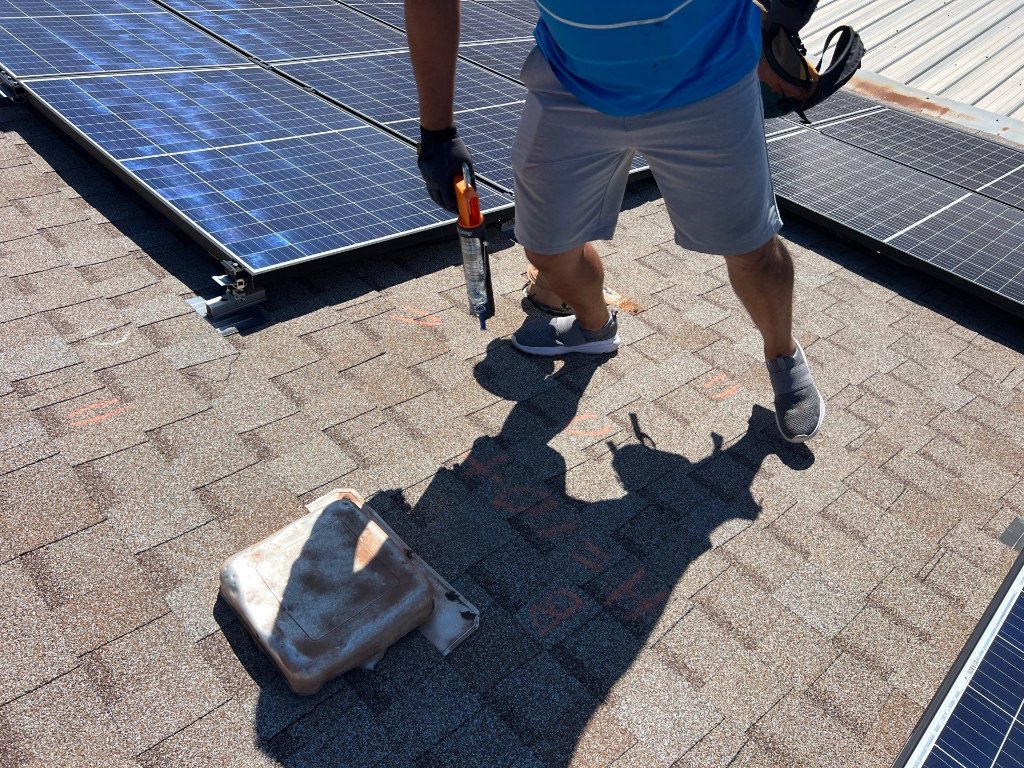
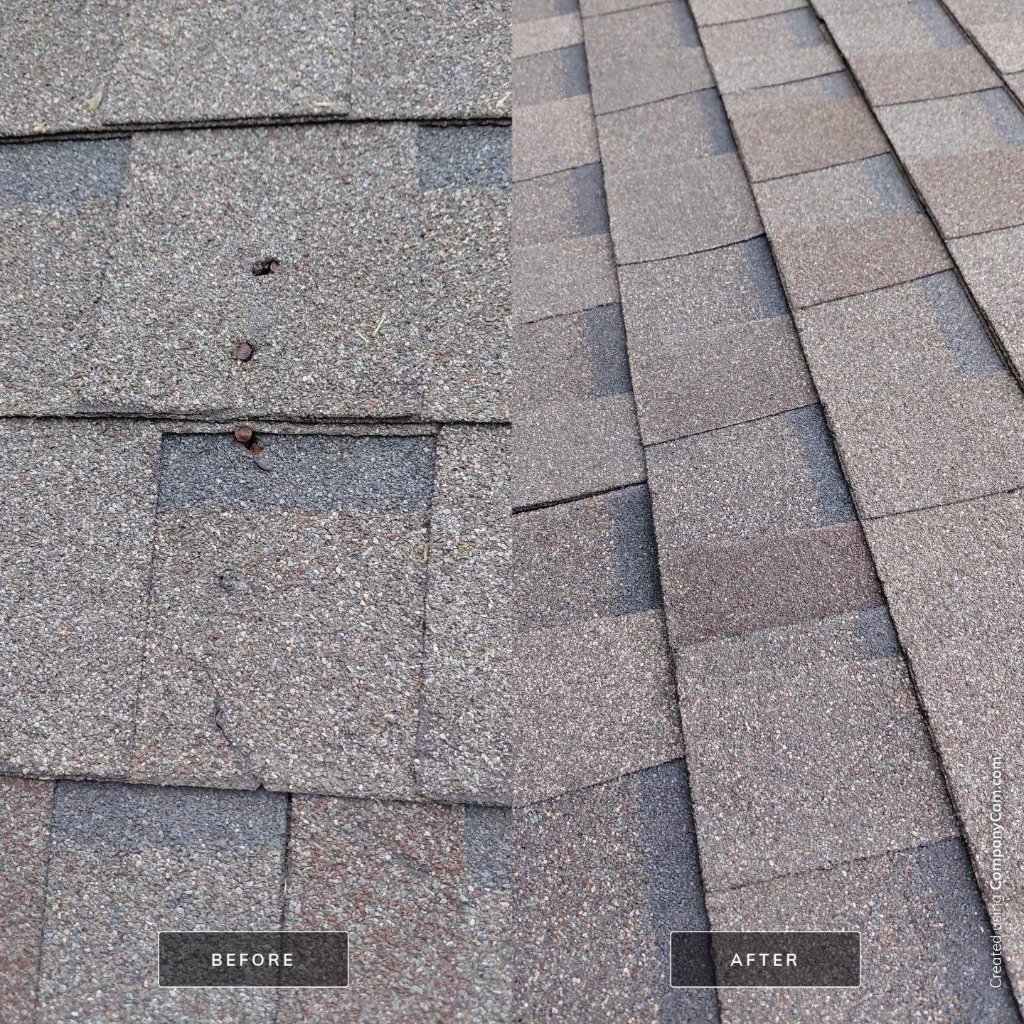
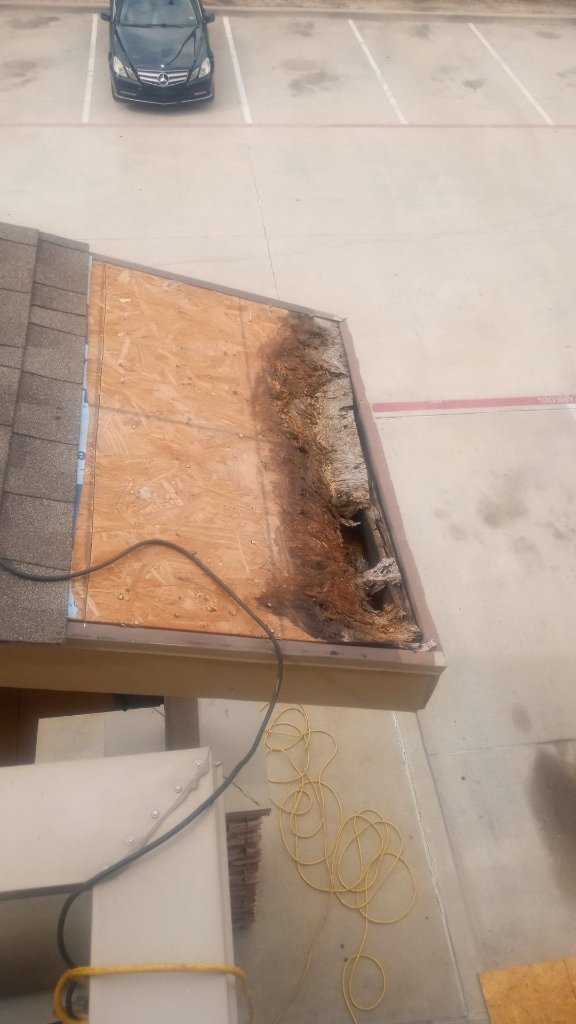
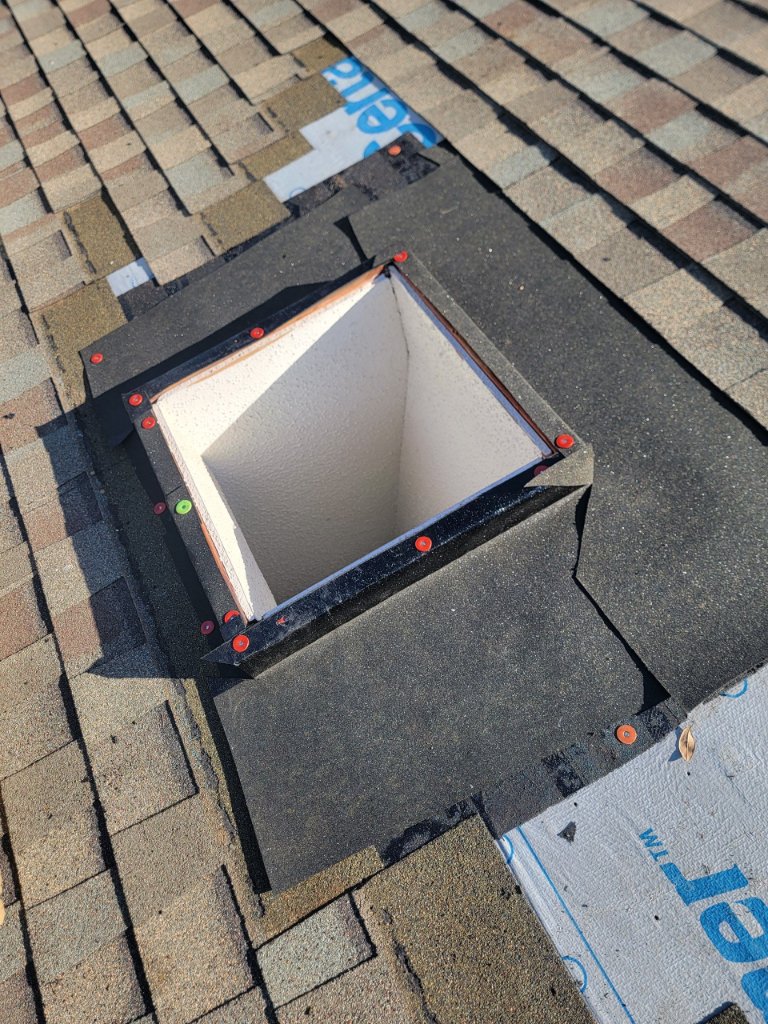
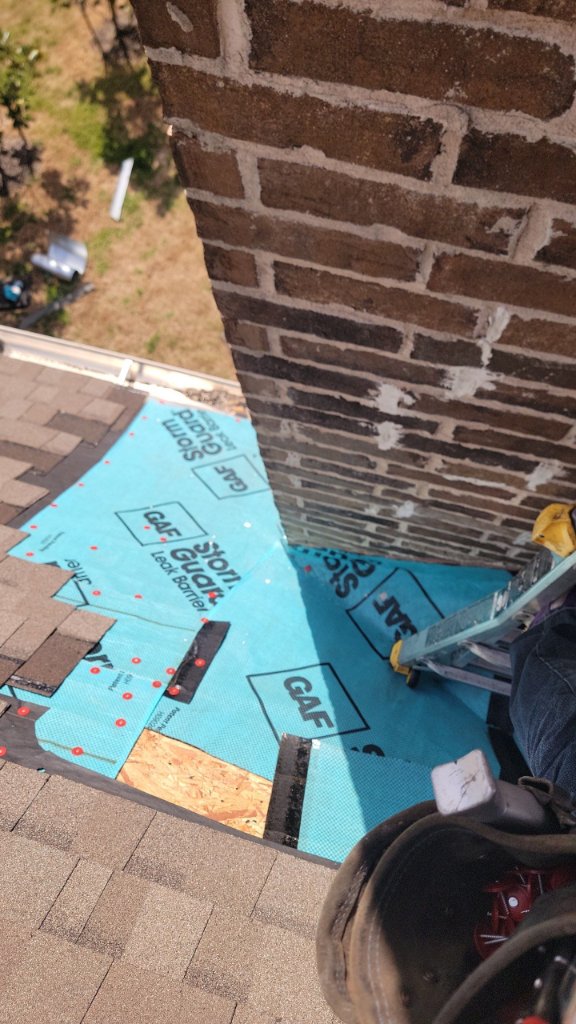
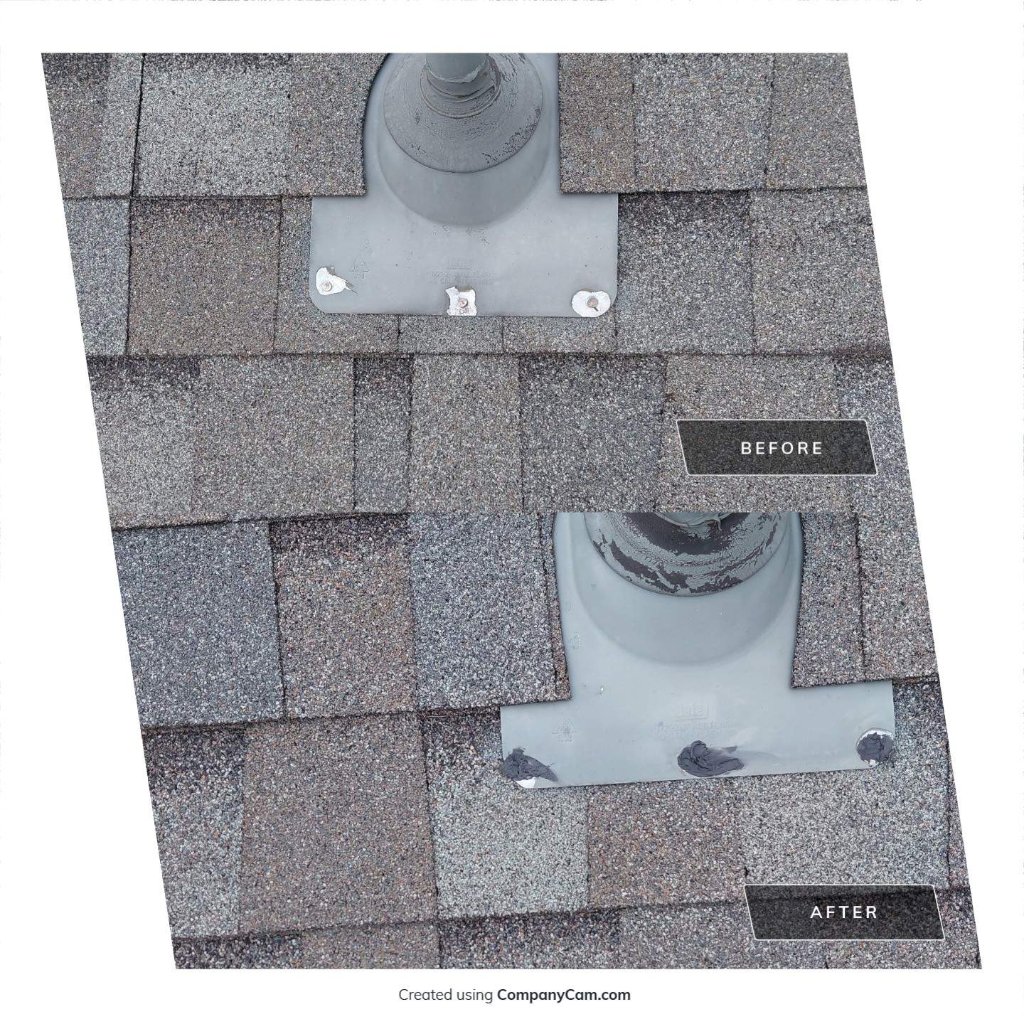
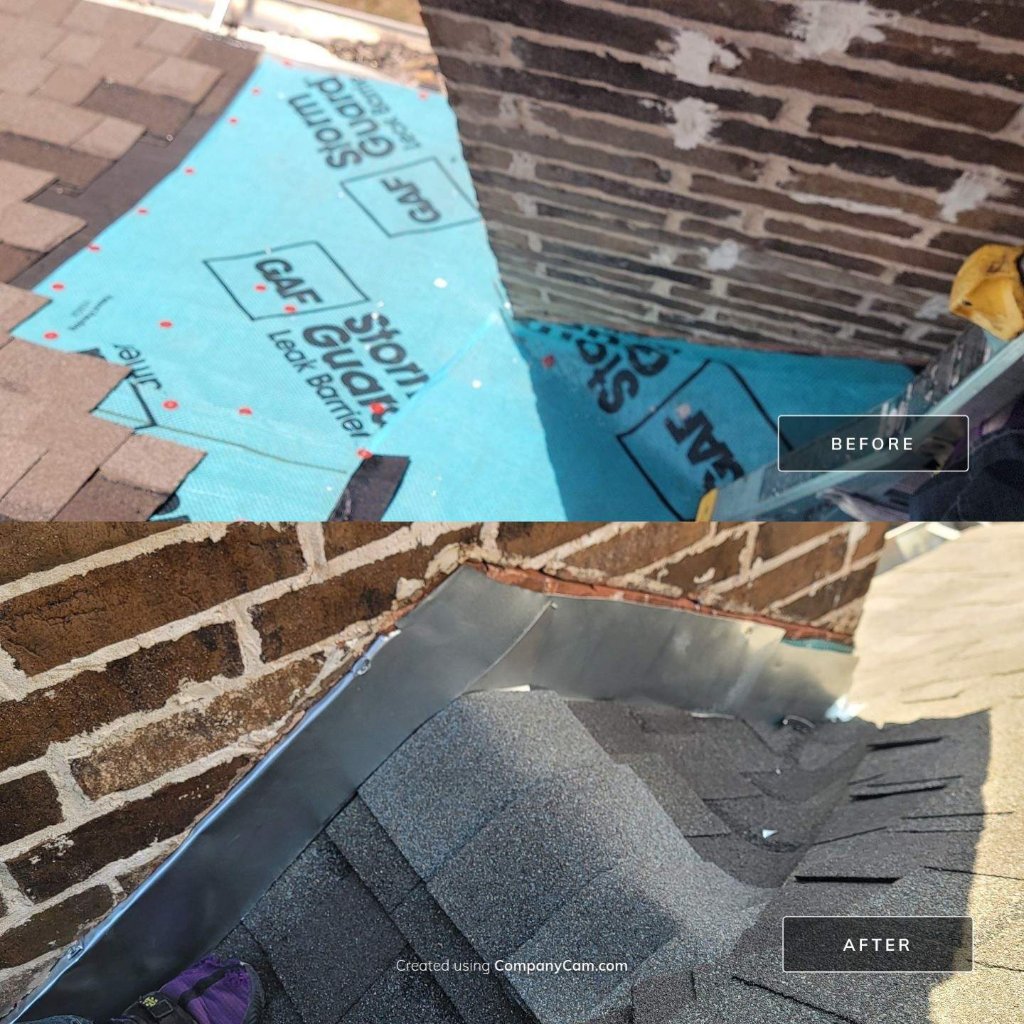
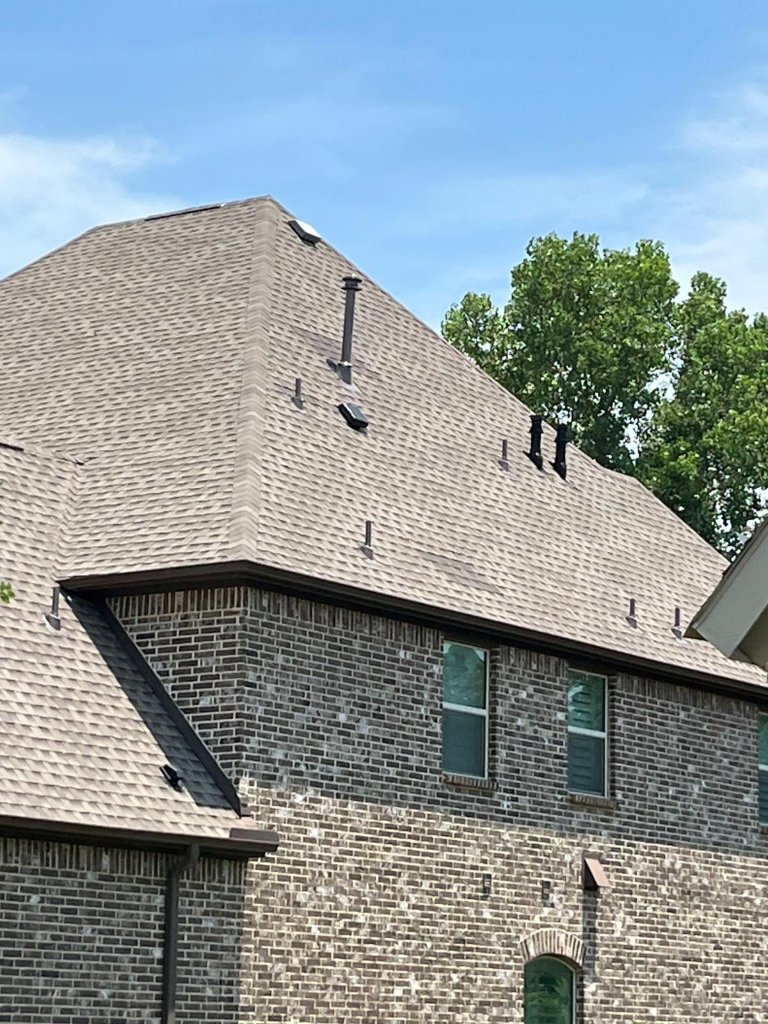
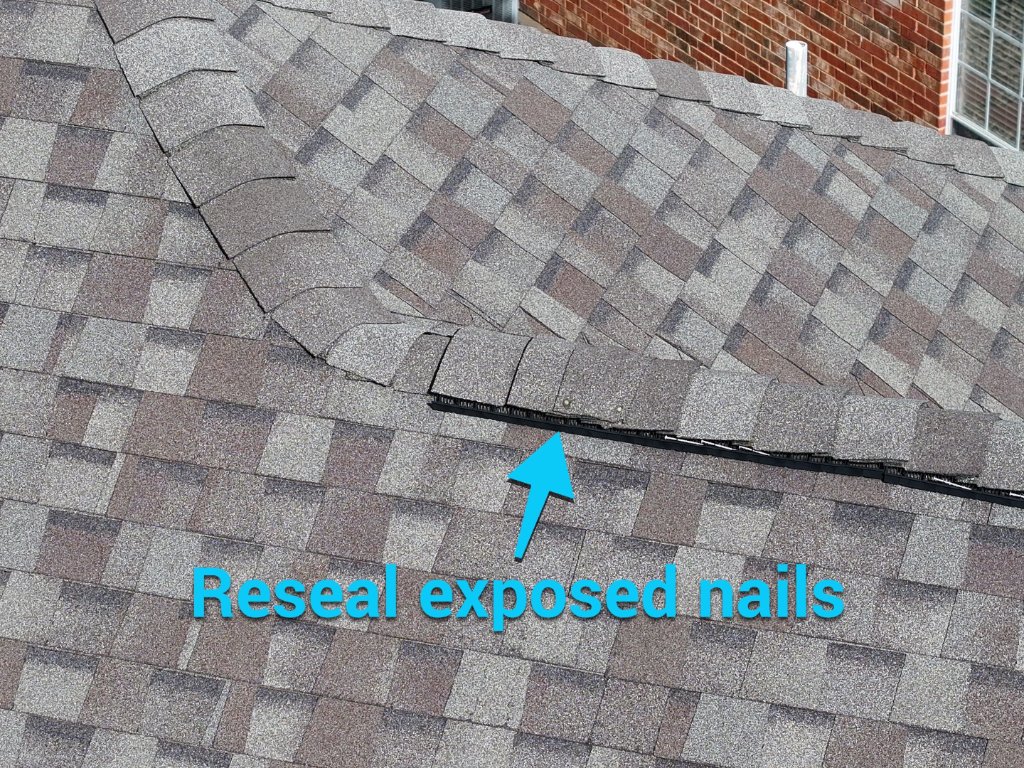
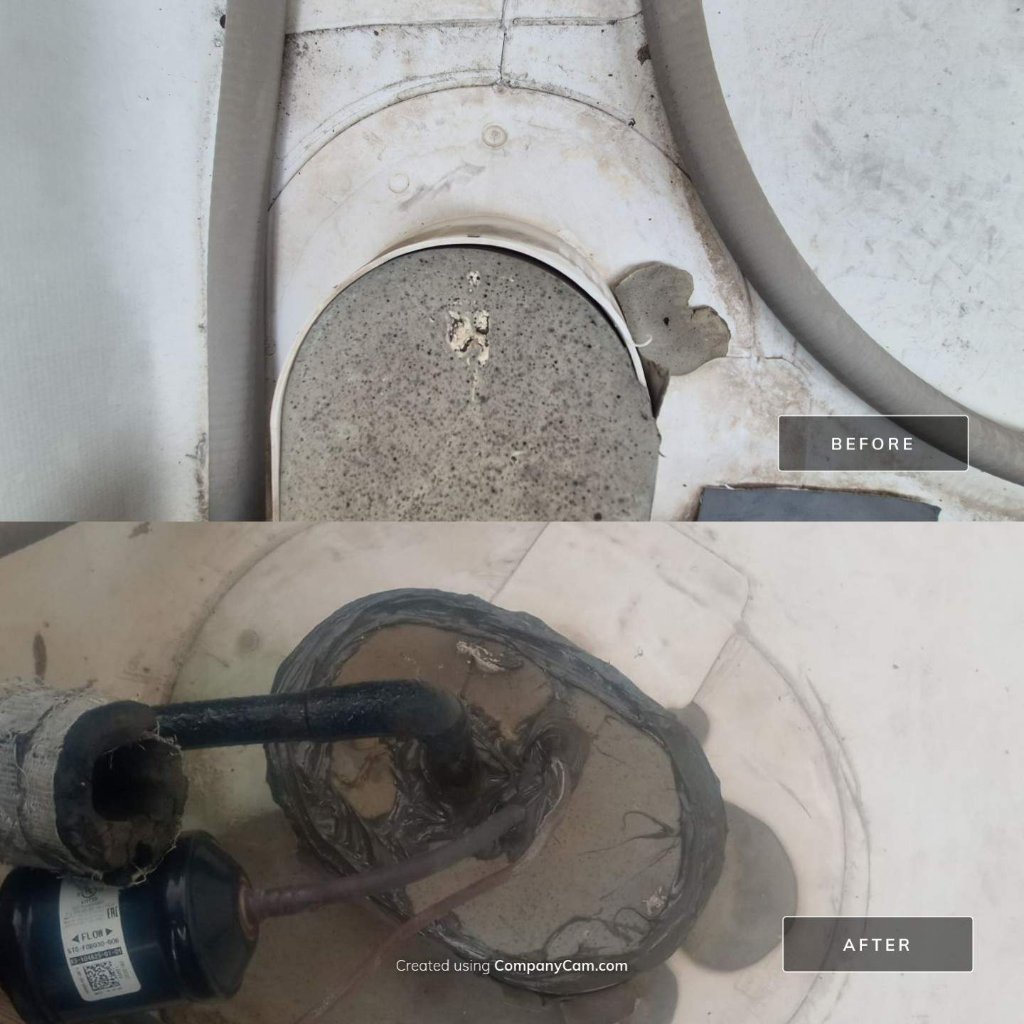
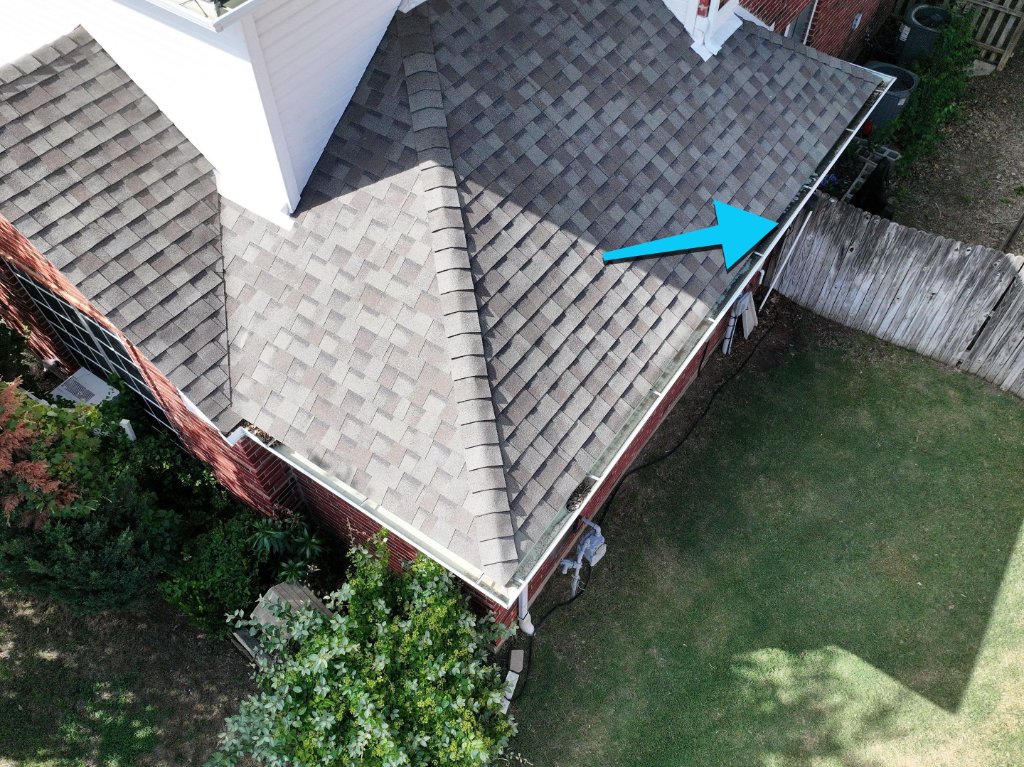
Roofing details from real North Texas work
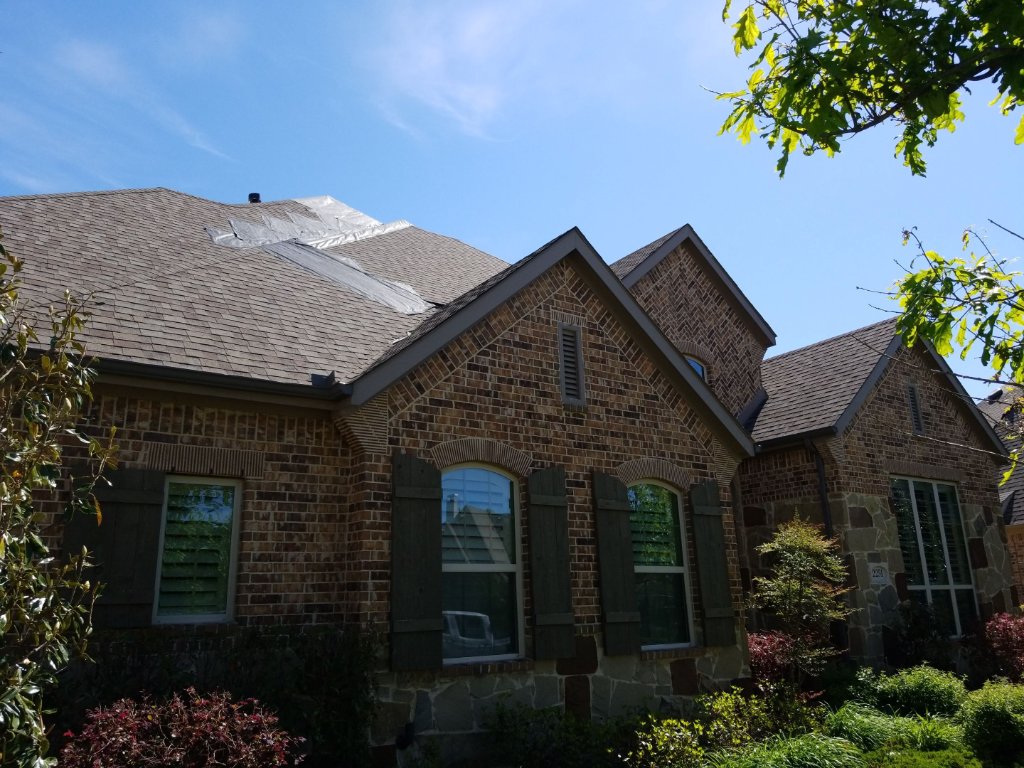
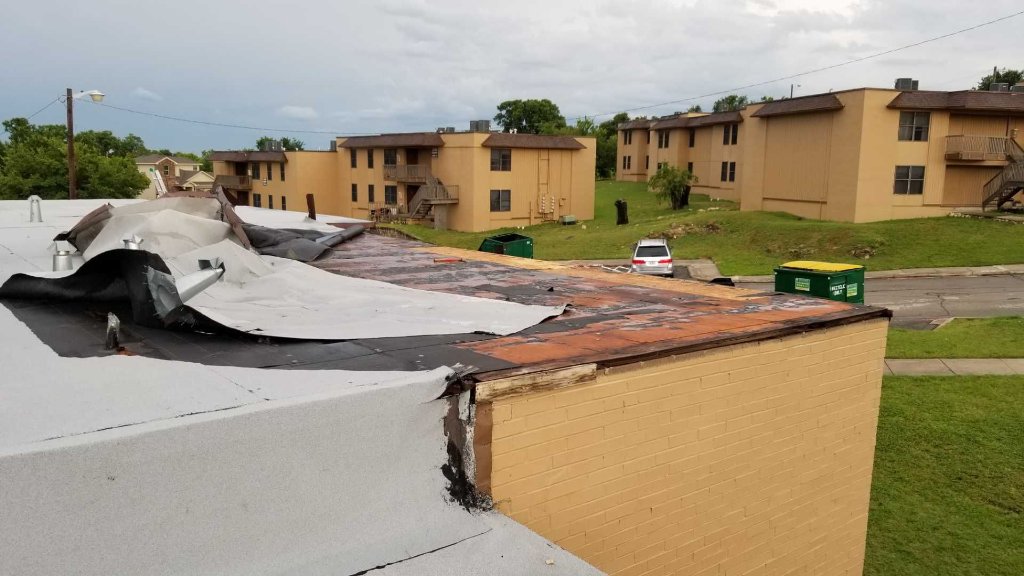
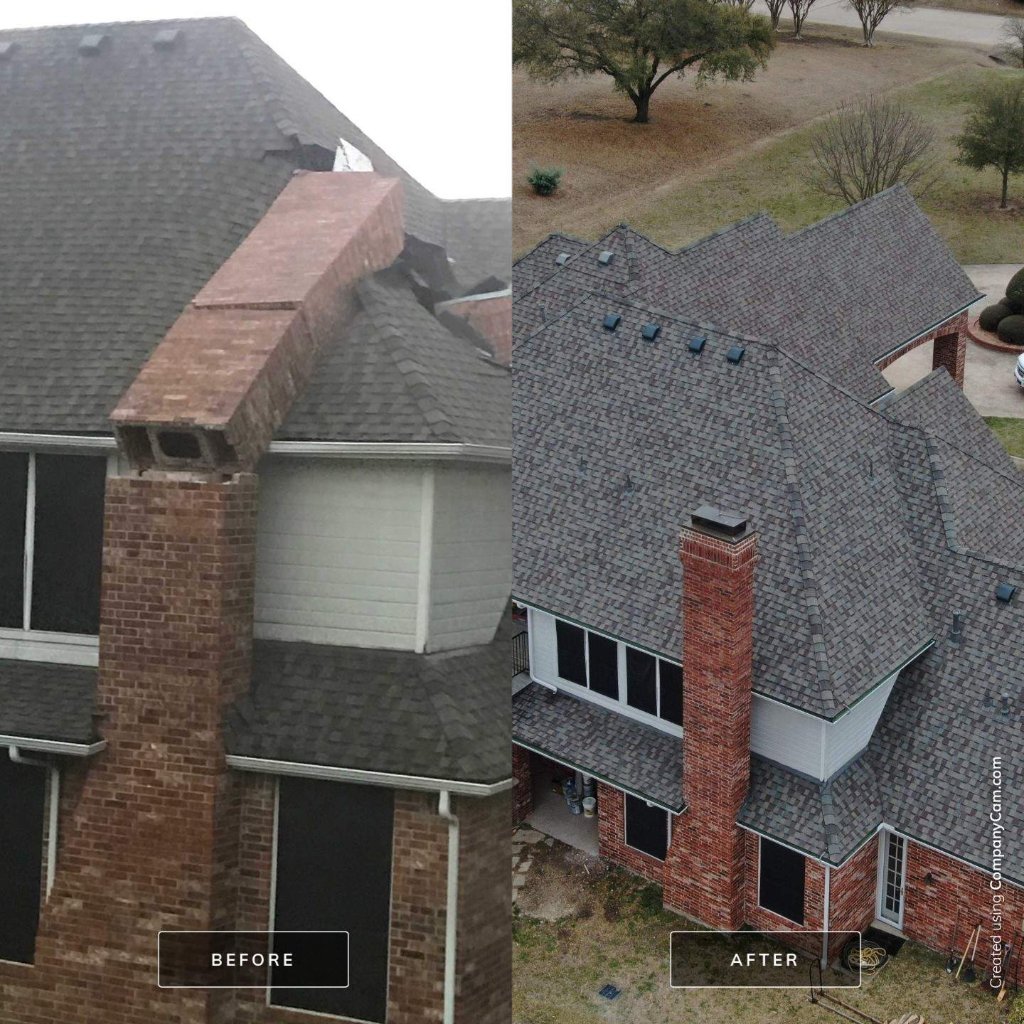
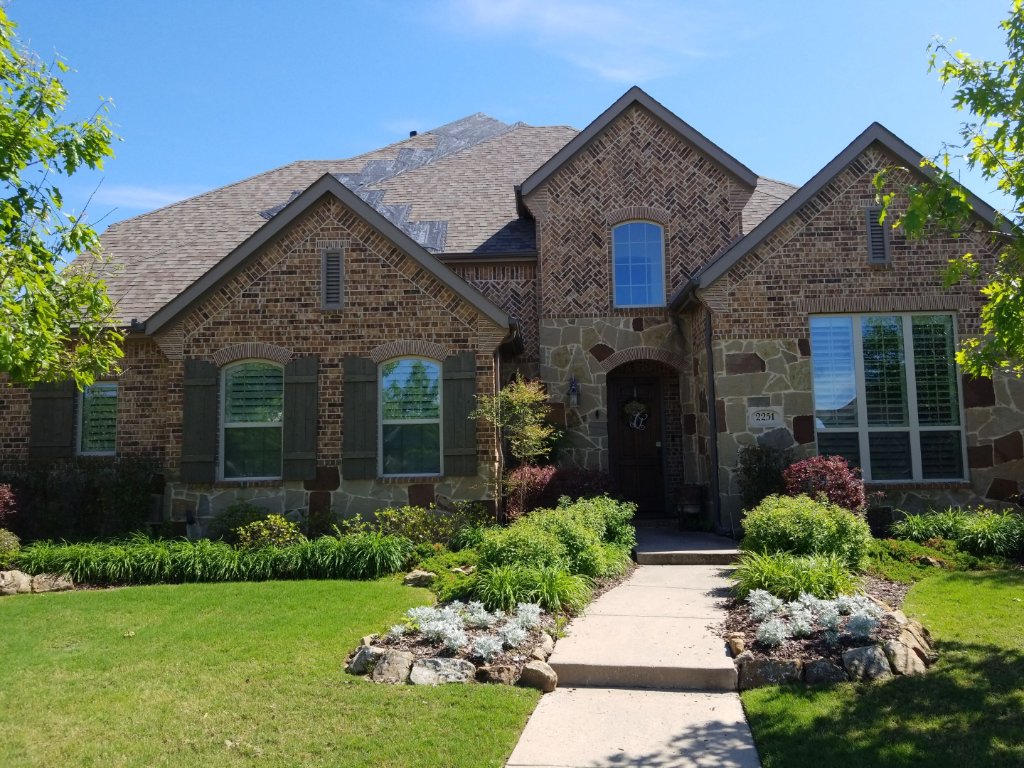
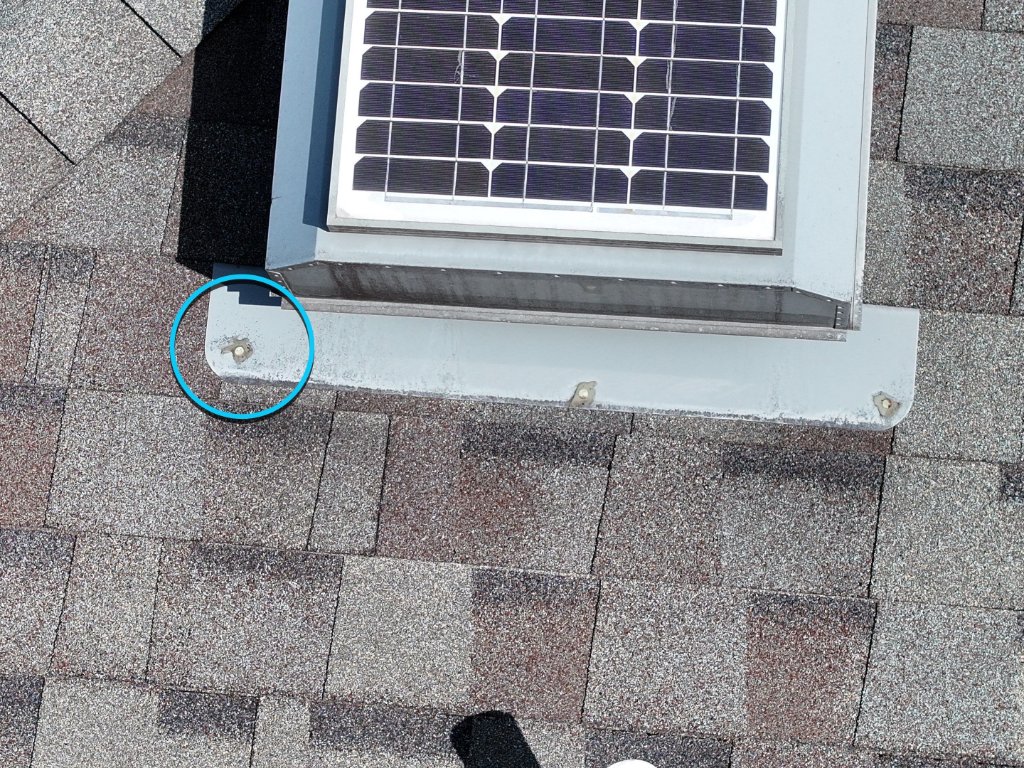
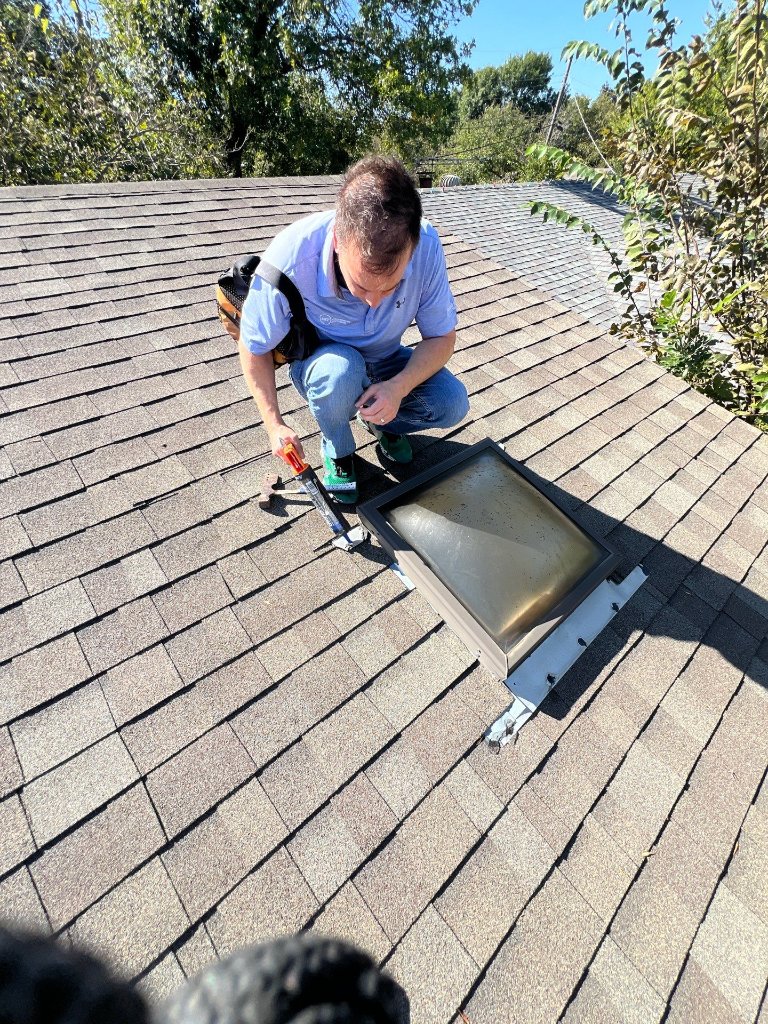
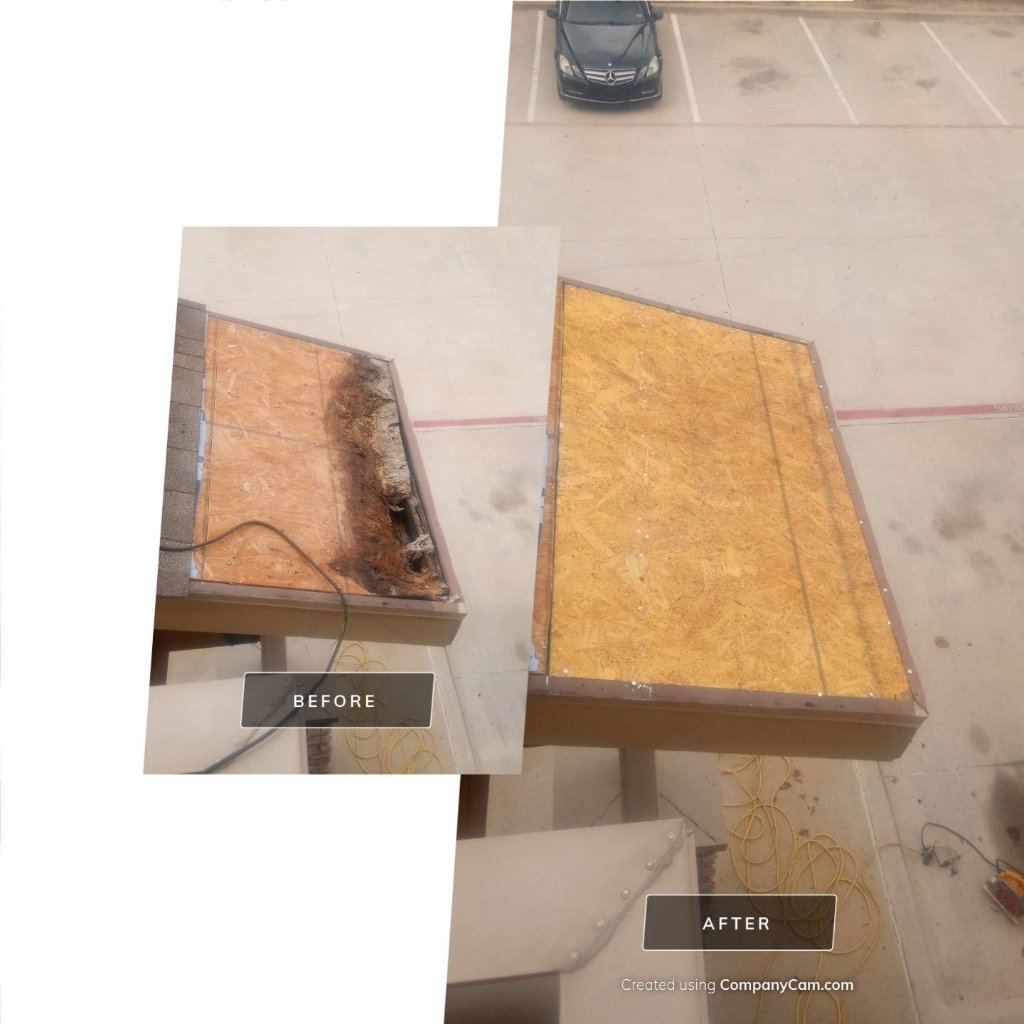
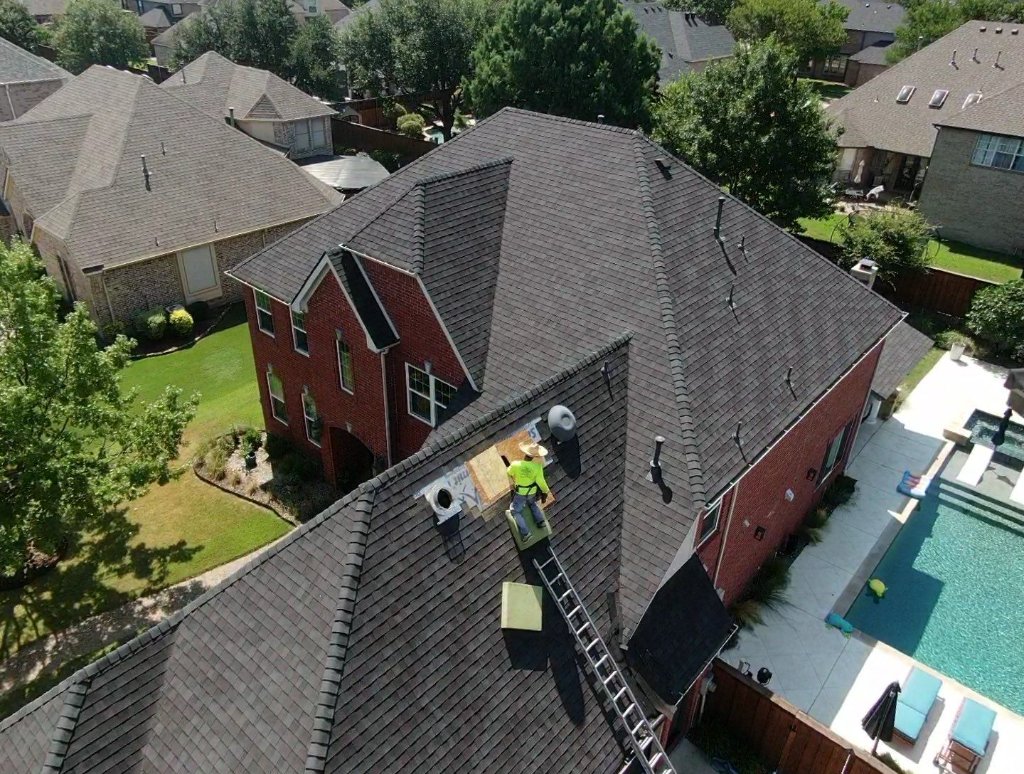
Common questions
Emergency roof repair FAQ
Do you provide emergency roof tarping?
Yes, when weather, access, structural conditions, and crew safety allow. A tarp is temporary stabilization and should be followed by a permanent repair assessment.
What should I do while water is entering?
Move people and belongings away when safe, contain water, avoid wet electrical fixtures, and stay clear of sagging ceilings. Call emergency services for immediate life-safety or structural hazards.
Can you repair the roof during the storm?
Permanent work may not be safe or technically appropriate during severe weather. Temporary stabilization may be possible once conditions allow safe access.
Should I call insurance immediately?
Follow the policy’s reporting requirements and document the condition. A contractor inspection can help describe visible damage, but the carrier determines coverage.
Is emergency service available everywhere you serve?
Response depends on location, weather, crew availability, roof access, and the nature of the hazard. Call the office at (817) 898-7175 or text (817) 518-1666.
Have an active leak or storm opening?
Call our office, text the team, or schedule online. We will document what we find and explain the practical next step.
Free roof inspection
Need roofing help in
Becker Roofing and Exteriors can inspect leaks, hail damage, lifted shingles, aging roofs, ventilation concerns, and replacement planning. You get clear photos, practical next steps, and no-pressure guidance.